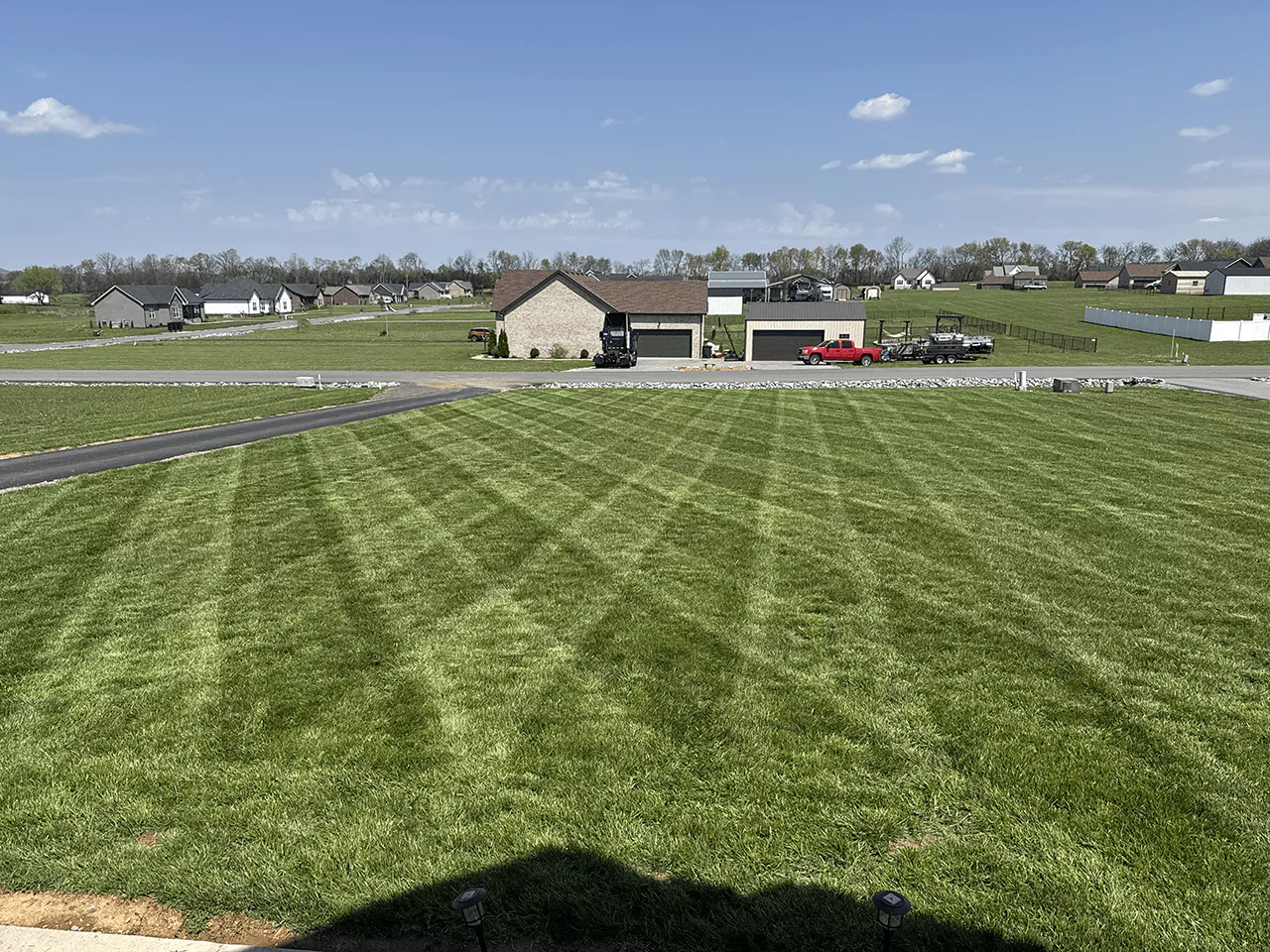
At Murphey's Lawn Care, we know Tennessee yards face unique challenges. Our state's transition zone climate brings hot, humid summers, unpredictable springs, and occasional harsh winters. Whether your lawn features warm-season grasses like Bermudagrass or Zoysiagrass, or cool-season options like Tall Fescue or Kentucky Bluegrass, seasonal care tailored to local conditions keeps it thick, green, and resilient year-round.
Here’s our practical, season-by-season guide to help Tennessee homeowners maintain a beautiful lawn.
Spring (March–May): Wake Up and Strengthen Your Lawn
Spring marks the start of active growth for most Tennessee grasses. Focus on cleanup and prevention to set your yard up for success.
- Clear winter debris — Rake up leaves, sticks, and dead grass as soon as the ground firms up (late February to early March). Avoid raking soggy soil to prevent damaging young turf.
- Aerate compacted soil — Tennessee’s clay-heavy soils compact easily. Aerate in early spring (cool-season grasses) or late spring (warm-season grasses) to improve air, water, and nutrient flow to roots.
- Apply pre-emergent herbicide — Timing is critical: apply in early spring (around March) to prevent crabgrass and other summer weeds before they germinate.
- Fertilize strategically — Use a slow-release fertilizer in April. For warm-season grasses, wait until soil warms consistently; cool-season grasses benefit from an early spring boost.
- Mow high and regularly — Start mowing once grass reaches 3 inches. Keep it at 3–4 inches to shade soil and reduce weed pressure.
Pro Tip from Murphey's: Get a soil test early in the season. Tennessee soils often need adjustments for pH and nutrients—knowing exactly what your lawn needs prevents guesswork.
Summer (June–August): Beat the Heat and Drought
Tennessee summers bring intense heat, humidity, and occasional dry spells. Warm-season grasses thrive here, while cool-season varieties may slow down or go dormant.
- Water deeply but infrequently — Aim for about 1–1.5 inches of water per week. Water early in the morning to reduce evaporation and disease risk. Deep watering encourages strong roots.
- Mow at the right height — Raise mowing height to 3–4 inches (or higher for fescue) to protect roots from scorching sun and retain moisture.
- Monitor for pests and diseases — Watch for grubs, mole crickets, brown patch, and dollar spot. Early treatment prevents bigger problems.
- Fertilize lightly — Apply a summer feeding for warm-season grasses if needed, but avoid heavy nitrogen during peak heat to prevent stress.
- Control weeds — Spot-treat emerging weeds and maintain dense turf to crowd them out naturally.
Murphey's Advice: During extreme heat waves, avoid heavy foot traffic on dormant lawns. They’ll green up again in fall with proper care.
Fall (September–November): The Best Time for Recovery and Prep
Fall is prime lawn care season in Tennessee. Cooler temperatures and reliable rainfall make it ideal for repair and strengthening roots before winter.
- Aerate and overseed — Early to mid-fall (September to mid-October) is perfect for aeration and overseeding, especially for cool-season grasses or to thicken warm-season lawns.
- Fertilize heavily — This is the most important feeding of the year for cool-season grasses. Apply a balanced or winterizer fertilizer in September–October to build root reserves.
- Mulch leaves instead of raking — Run your mower over fallen leaves to chop them finely. They return nutrients to the soil without smothering grass.
- Continue mowing — Keep cutting until growth slows, gradually raising the height for the final cuts (around 3 inches) to insulate against frost.
- Apply post-emergent weed control — Target any lingering broadleaf weeds before they go to seed.
Why Fall Matters: Strong fall roots help your lawn survive Tennessee’s variable winters and emerge stronger in spring.
Winter (December–February): Protect and Plan
While grass growth slows or stops, winter care prevents damage and prepares for the next season.
- Minimize traffic — Keep foot traffic and equipment off frozen or wet lawns to avoid compaction and tearing.
- Remove debris after storms — Clear branches, leaves, and heavy accumulations that can smother turf and promote mold or disease.
- Plan ahead — Service your mower and equipment now. Review last year’s issues (weeds, thin spots, pests) and schedule early spring services.
- Consider a light winter weed treatment — In milder areas, spot-treat persistent winter annuals.
Murphey's Recommendation: Use this quiet time to schedule professional services for spring. Early booking ensures your lawn gets the timely attention it needs.
Year-Round Best Practices for Tennessee Lawns
- Know your grass type — Warm-season (Bermuda, Zoysia) vs. cool-season (Tall Fescue, Kentucky Bluegrass) dictates timing for fertilization, aeration, and overseeding.
- Maintain sharp mower blades — Clean cuts prevent disease entry and keep your lawn looking neat.
- Test your soil every 2–3 years — Nutrient levels and pH change over time in Tennessee’s variable soils.
- Build thickness — A dense lawn naturally resists weeds, pests, and drought better than a thin one.
Tennessee lawns can look lush and healthy all year with the right seasonal approach. At Murphey's Lawn Care, we specialize in local conditions across the Nashville area and surrounding communities. From aeration and fertilization to full lawn maintenance and landscaping, our team delivers expert care so you can enjoy your yard without the hassle.
Ready for a greener lawn this season? Contact Murphey's Lawn Care today for a free quote and personalized lawn care plan tailored to your Tennessee yard.
In need of Printing services? BB Printing helps businesses elevate their brand with high-quality print materials, including business cards, signage, promotional products, and custom marketing pieces designed to create a lasting impression.